Event Overview
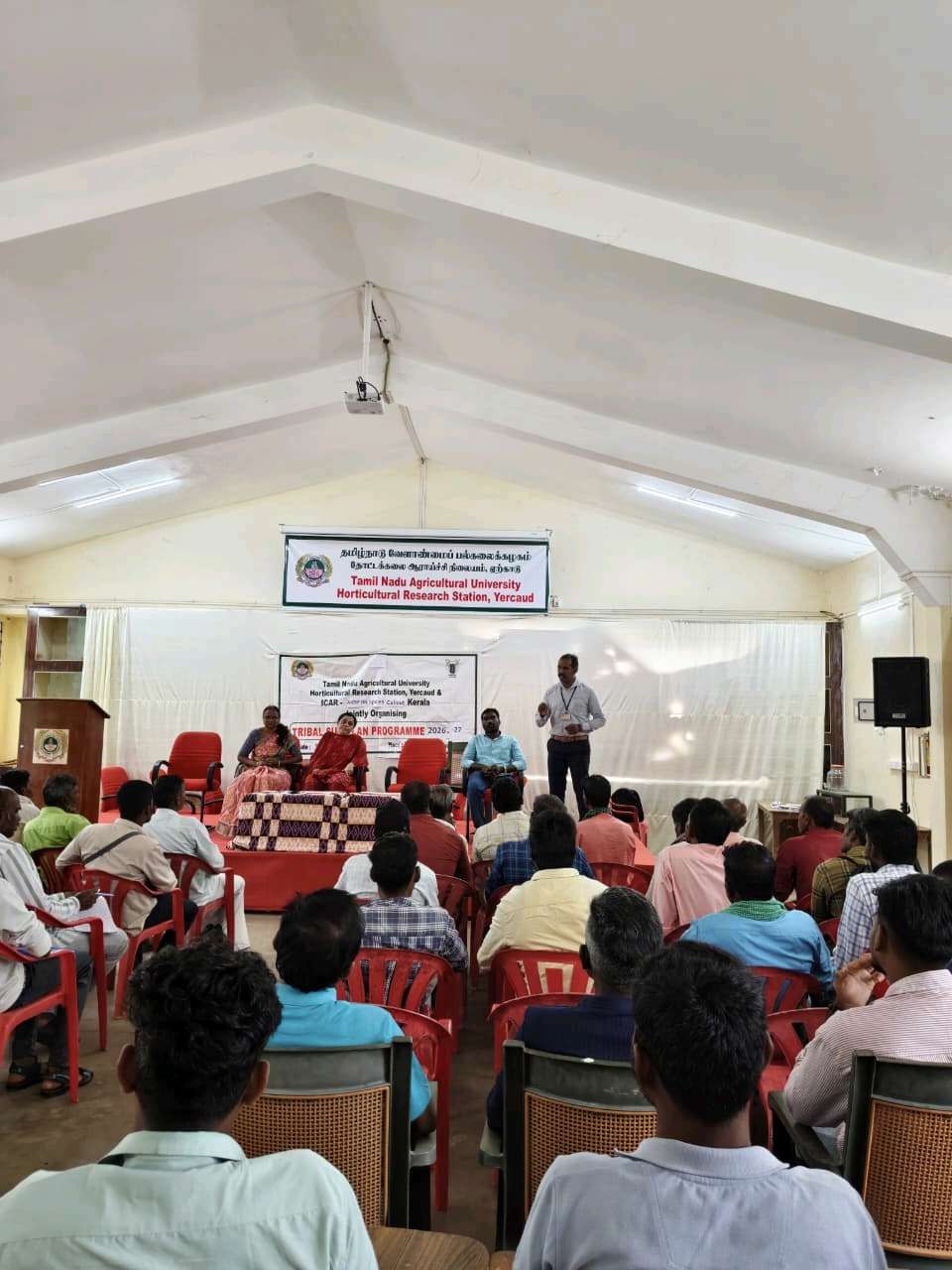
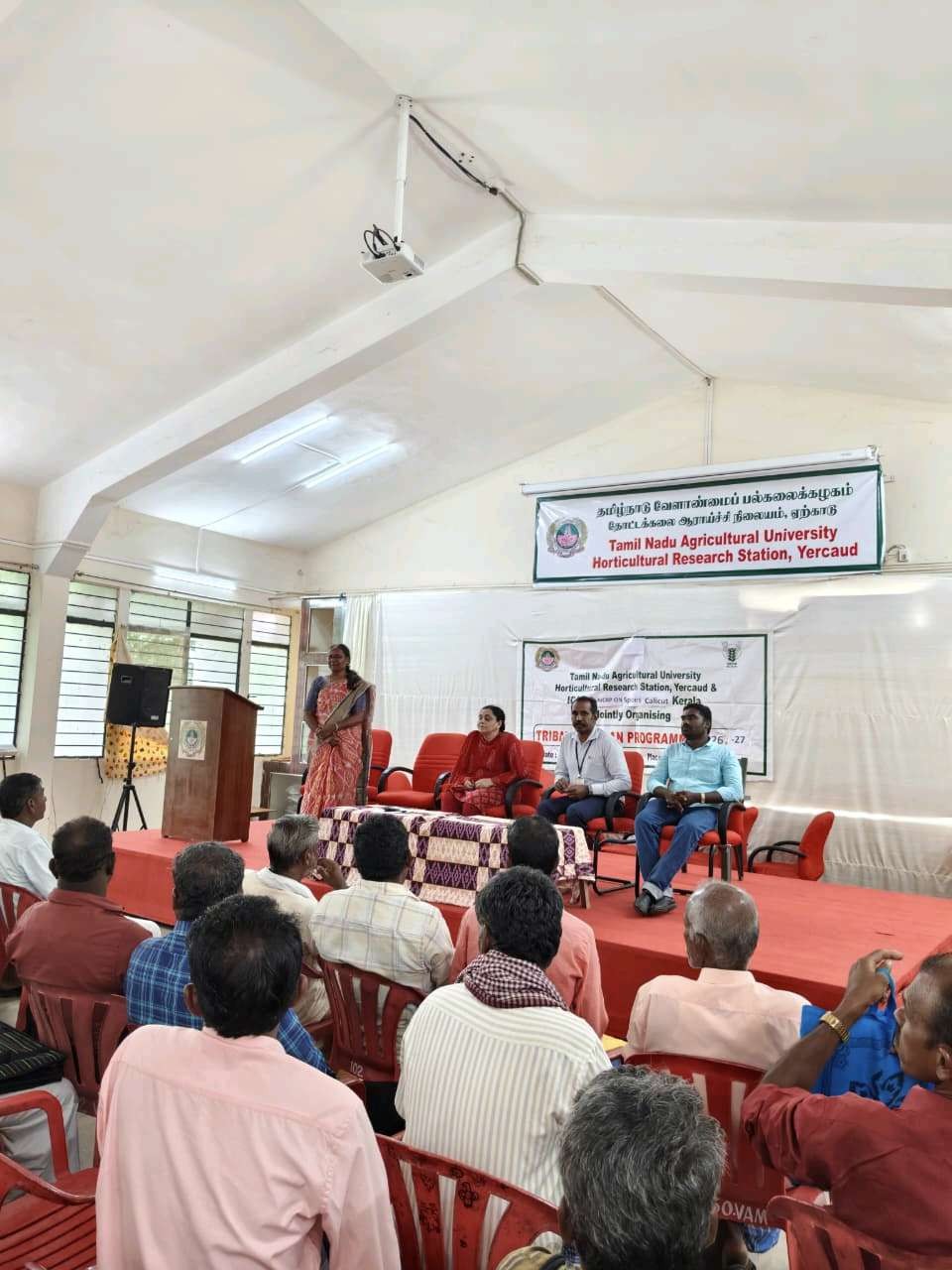
The Horticultural Research Station, Yercaud, functioning under the aegis of Tamil Nadu Agricultural University, organised a training and input distribution programme on cultivation technologies of sub tropical horticultural crops for tribal farmers under the Tribal Sub Plan (TSP) on 08.06.2026 at HRS, Yercaud with financial assistance of the All India Coordinated Research Project (AICRP) on Spices, Kozhikode, Kerala.
Technical Sessions
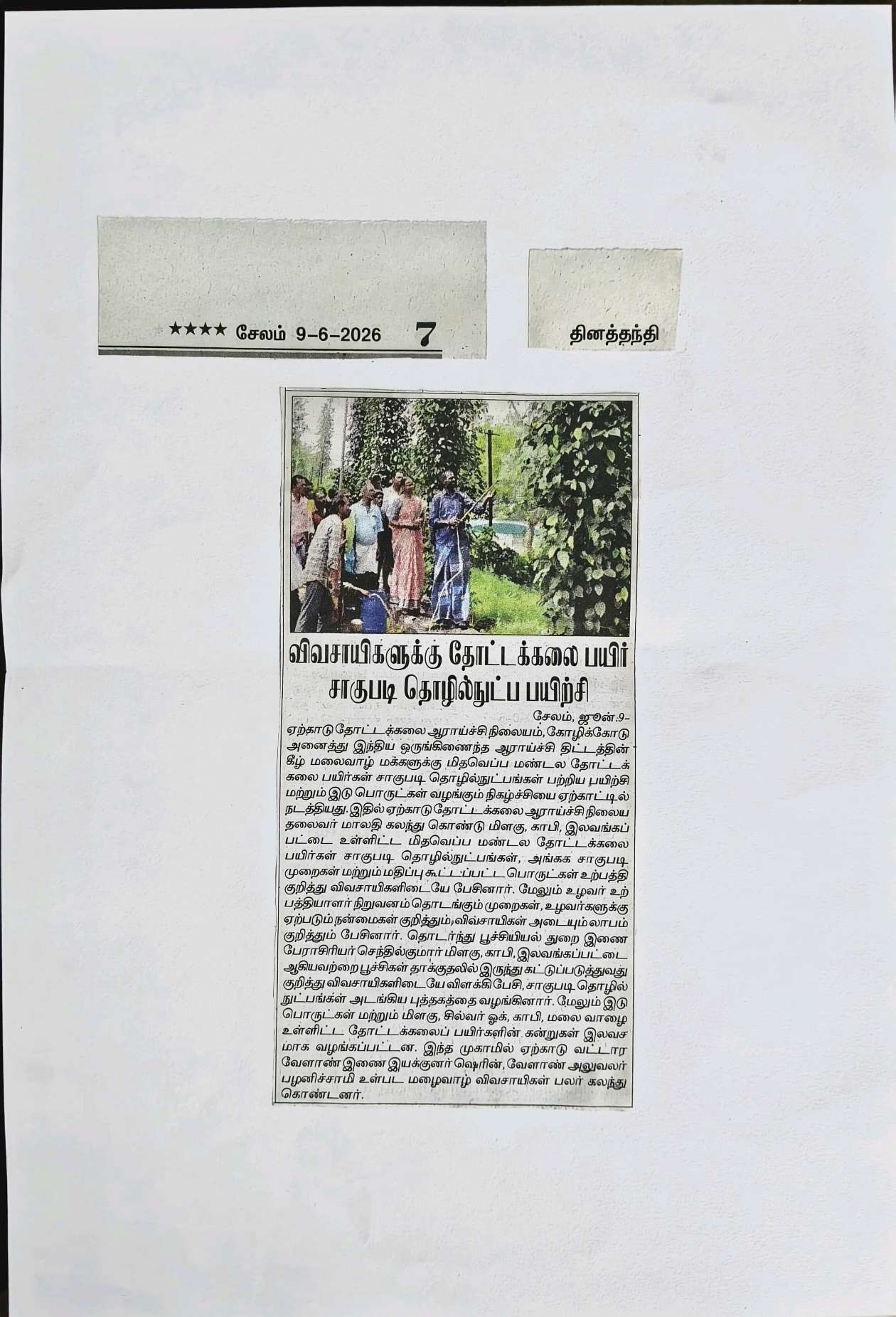
Dr. G. Malathi, Associate Professor and Head, Horticultural Research Station, Yercaud, delivered a detailed lecture on the production technologies of sub tropical horticultural crops including pepper, coffee, and cinnamon, with special emphasis on organic farming practices and value addition techniques. The farmers were educated on the significance of using biofertilizers and biocontrol agents for improving soil health, reducing dependence on chemical inputs, lowering cultivation costs, and enhancing net farm income.
A practical demonstration on the foliar application of micronutrients to improve yield and quality in pepper was also conducted during the programme.
Dr. M. Senthilkumar, Associate Professor, Department of Entomology, explained the importance of integrated pest and disease management strategies for the sustainable production of pepper and cinnamon.
Input Distribution
Biofertilizers & Biocontrol Agents
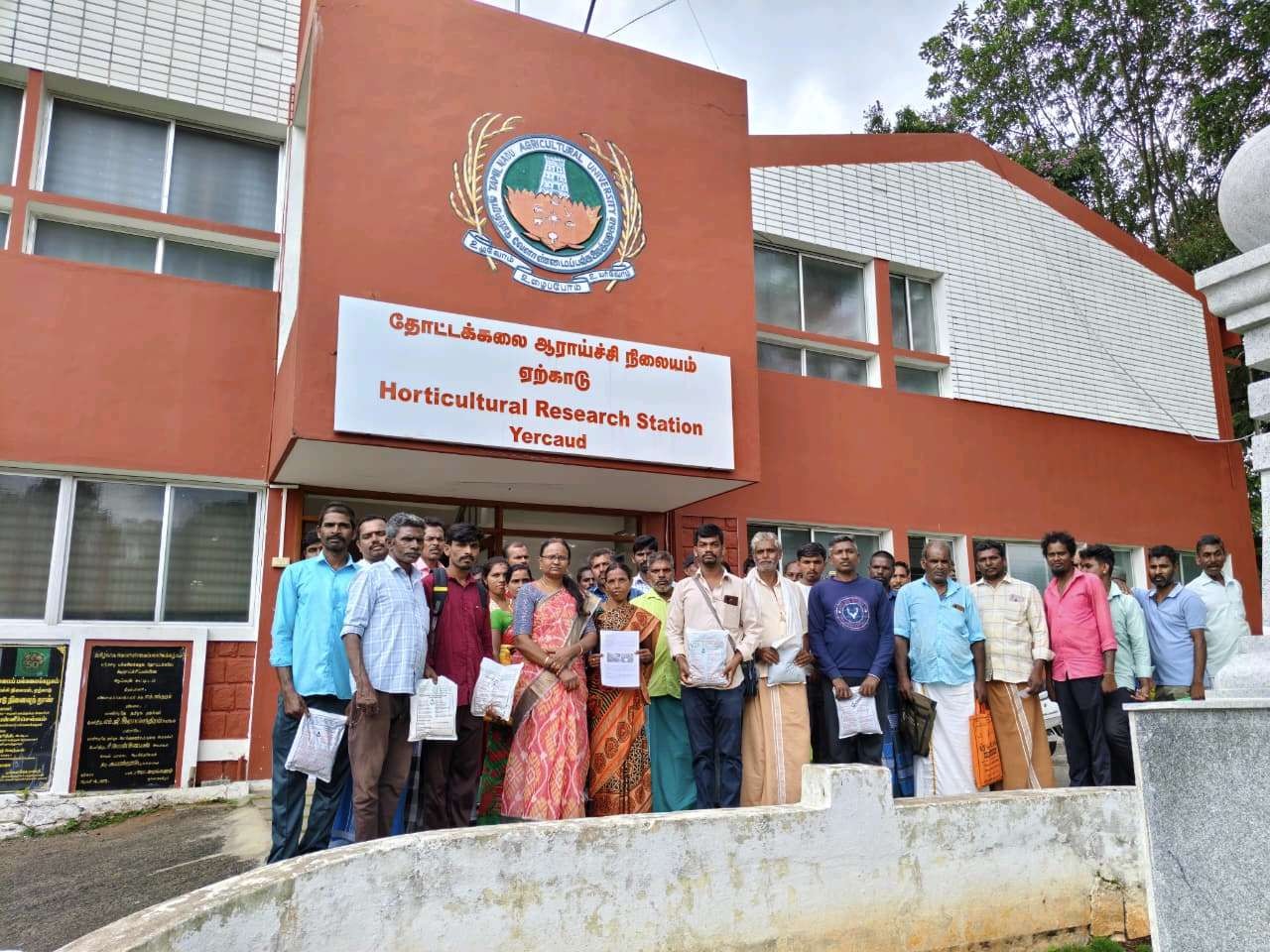
Biofertilizers — Azospirillum and Phosphobacteria — along with the biocontrol agent Trichoderma were distributed free of cost to tribal beneficiaries to promote soil health and reduce chemical input dependency.
Quality Planting Materials
Quality planting materials of pepper, silver oak, coffee, and hill banana were distributed free of cost to the beneficiaries to support establishment of sustainable horticultural farming systems.
Technical Booklet
A technical booklet containing detailed information on pepper and cinnamon cultivation technologies and value addition in Tamil language was distributed to the participating farmers.
Participation & Dignitaries
More than 50 tribal farmers from villages including Senthittu, Belakkadu, Arangam, and Mathur actively participated in the training programme and benefited from the technical sessions and distribution of agricultural inputs. The programme was also attended by Mrs. Sherin, Assistant Director of Agriculture, Yercaud Block, and Mr. Palanichamy, Agricultural Officer, who explained various soil health management programmes and government schemes available for farmers.
Programme Impact
The programme served as an effective platform for disseminating improved cultivation technologies, promoting sustainable farming practices, and enhancing the livelihood opportunities of tribal farmers through scientific horticultural interventions.