
Saffron
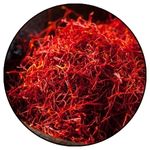
Common Name: Saffron
Botanical Name
Crocus sativus L.
Family
Iridaceae
Commercial Part
Stigma (dried red stigmas of the flower)
Description
Saffron is the world’s most expensive spice, derived from the dried red stigmas of the Crocus sativus flower.
- It is a bulbous perennial herb growing from underground corms.
- Plant height is about 15–20 cm.
- Each plant bears 1–2 lilac-purple flowers, with 6 petals and bright red stigmas.
- The tri-lobed stigma and style tops are the commercial parts used as saffron.
- Each flower contains only three stigmas, which are handpicked and dried, making saffron highly labour-intensive.
Climatic Requirements for Cultivation
- Climate: Prefers warm sub-tropical to dry temperate climates
- Altitude: Thrives at 2000 meters above sea level
- Temperature: Sensitive to low temperatures and high humidity during flowering
- Photoperiod: Requires around 11 hours of light daily for flowering
- Soil: Slightly acidic to neutral, gravelly, loamy, or sandy soils with good drainage
- Rainfall: Spring rains are beneficial for corm development; requires dry conditions during flowering
Origin and Distribution
- Native to: Southern Europe
- Cultivated in Spain, Austria, France, Greece, England, Turkey, Iran
- In India, saffron is cultivated mainly in:
- Jammu & Kashmir – especially Pampore (Pulwama district), Srinagar, Budgam
- Himachal Pradesh – in parts of Kinnaur and Lahaul-Spiti (emerging areas)
Major Growing Areas in India
- Jammu & Kashmir – Pampore, Pulwama, Budgam
- Himachal Pradesh – Nichar Valley (Kinnaur), Lahaul-Spiti (limited scale)
Popular Varieties
- Shalimar Saffron-1 (developed by SKUAST-Kashmir)
- Local Landraces – Kashmir saffron known for high-quality crocetin, crocin, and safranal content
Uses
Culinary:
- Used for flavour and colour in:
- Rice, Mughlai curries, meat dishes, sweets, breads, mayonnaise, liquors, cordials
- An essential part of festive and ceremonial dishes, especially in Kashmiri, Persian, and Mediterranean cuisines
Medicinal:
- Used in Ayurveda, Chinese, and Tibetan medicine
- Treats fevers, melancholia, liver and spleen disorders, arthritis, impotence, and infertility
- Acts as a tonic, aphrodisiac, and digestive aid
Cosmetic:
- Used in perfumes and skincare products for its fragrance and pigmentation
Indian Names of Saffron
| Language | Name |
|---|---|
| Hindi | Kesar |
| Bengali | Jafran |
| Gujarati | Keshar |
| Kannada | Kumkuma Kesari |
| Kashmiri | Kong |
| Malayalam | Kunkumapoove |
| Marathi | Keshar, Kesara |
| Punjabi | Kesar, Zafran |
| Sanskrit | Keshara, Kunkuma |
| Tamil | Kungumapoo |
| Telugu | Kumkuma puvvu |
| Urdu | Zafran |
Foreign Names of Saffron
| Language | Name |
|---|---|
| Spanish | Azafrán |
| French | Safran |
| German | Safran |
| Swedish | Saffran |
| Arabic | Zafran |
| Dutch | Saffraan |
| Italian | Zafferano |
| Portuguese | Açafrão |
| Russian | Shafran (Шафран) |
| Japanese | Safuran (サフラン) |
| Chinese | Fan Hung-Hua (番红花) |